Back to Work Burnout: 7 Warning Signs You Can’t Ignore

Hello, Cool-Girls ! As we say goodbye to the last days of summer, it’s time to welcome the back to work season. For some, it’s the return to the daily grind of work or university, symbolizing the excitement of new beginnings, ongoing projects, but also, for many, a resurgence of stress. That is often around that time of the year that we observe the first signs of a burnout.
However, amidst the hustle, what often gets left out of our routines is a dedicated space for our mental well-being.
What if, this time around, we made a conscious effort to include moments of self-care? What if, instead of sprinting through the year, we committed to a marathon?
Let’s not kid ourselves; it’s the same story every year. You survive the stretch between vacations, but are you truly resting ? Our bodies send us signals.
1. Reduced enjoyment of usual activities
One of the earliest indicators of burnout is when activities that once brought joy and fulfillment no longer do. You might find yourself losing interest in hobbies, social gatherings or even work-related tasks that you used to love. This sign reflects a decline in your personal well-being and can lead to a lack of interest.

2. Persistent exhaustion when back to work
Feeling tired from time to time is normal, but persistent exhaustion that doesn’t improve with rest is a red flag. Burnout often leads to chronic fatigue, making it challenging to find the energy to brave daily responsibilities. It can affect both your physical and mental well-being, leaving you drained and unable to perform at your best.
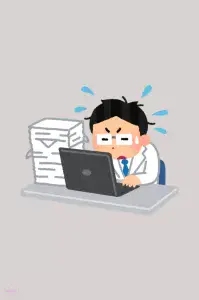
3. Overwhelming feelings in daily life when back to work
Burnout can bring about a sense of overwhelm during your everyday tasks. You may feel constantly stressed or on edge. Even routine tasks can become daunting, leading to a sense of helplessness. These emotional and psychological burdens can take a toll on your mental health.
4. Increased isolation
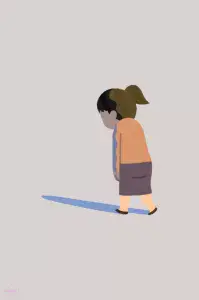
Burnout often leads to social withdrawal. You may find yourself distancing from friends, family and colleagues. Isolation can exacerbate feelings of loneliness and contribute to a sense of disconnection from your support network. This sign can worsen burnout by reducing opportunities for emotional support.
5. Changes in eating habits
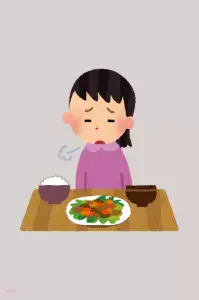
Stress and burnout can influence your eating habits in various ways. Some individuals may turn to comfort eating as a coping mechanism, leading to unhealthy diet choices. Others may experience a loss of appetite or neglect basic nutrition. These changes in eating habits can impact your physical health and worsen the symptoms of burnout.
6. Difficulty relaxing
Burnout can make it challenging to relax. Even during personal time, you might find it hard to switch off your racing thoughts or the feeling that you should be doing something productive. This difficulty in relaxing can perpetuate the cycle of stress and exhaustion, making it even harder to recover.
7. Emerging gastrointestinal problems
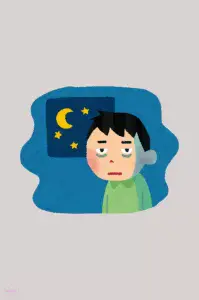
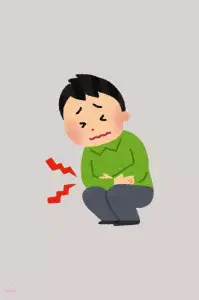
Chronic stress and burnout can manifest in your digestive system. You may experience gastrointestinal issues like stomachaches or IBS. These symptoms can be a clear signal that your body is reacting to prolonged stress and recognizing them is crucial for your well-being.
Spotting the signs of burnout is essential to prevent it from escalating. If you notice these symptoms in yourself or someone you care about, it is crucial to take steps to address them. Prioritizing self-care, seeking support from friends, family and healthcare professionals and making necessary lifestyle changes can help you regain balance and avoid the effects of burnout. Remember, your mental and physical health matter.
Disclaimer
I am not a mental health professional. The content in this article is for informational purposes only and is based on my personal experiences and observations. It is not a substitute for professional advice, diagnosis or treatment. If you are struggling with your mental health or need support, please consult a qualified mental health professional. I care about your well-being and want you to have the support and guidance you deserve.