How to Cycle Sync : Align Your Work Day with Your Hormones
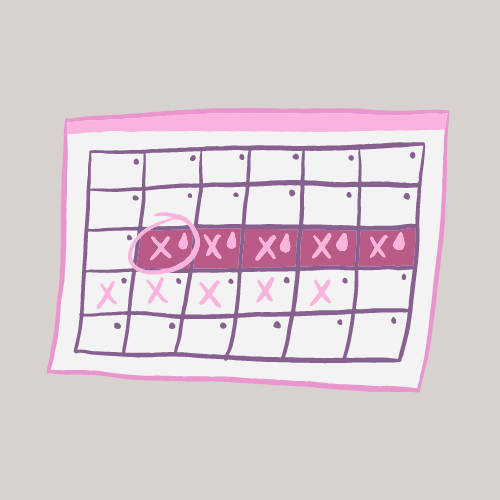
Hello Cool Girls ! Today I wanted to share about a topic that concerns us all: : our menstrual cycle. I recently discovered several articles about how women hormonal cycles can impact our productivity at work, those cycles typically last between 21 and 38 days (Yes in fact, a 2020 study led by Jessica A. Grieger and Robert J. Norman, analyzing data from 1.5 million women using a mobile phone app, found that only 16% experienced a 28-day cycle). In contrast, men also have a cycle, but it lasts 24 hours. Learn how to cycle sync in this article and take control of your productivity and energy levels.
1. Men hormonal cycle

You probably didn’t know but men too have a cycle that is less intense and much shorter : it lasts 24 hours. It is also not the same throughout the year. The male cycle is governed by the production of testosterone which occurs during the night.
The daily rise of testosterone has few effects on men bodies and mind:
- increase of energy
- mood improvement
- promote muscle growth
- stimulate the libido and production of sperm
The levels of testosterone reach a maximum around 8AM, from this moment it then decreases gradually until it reaches the lower point between 7PM and 9PM. Men’s daily testosterone fluctuations have less impact than women’s hormone variations. Therefore we can say thatthe man hormonal cycle seems ideal for the traditional 9 to 5 because the testosterone peak coincide with the beginning of a traditional working day. This can lead to increased energy, focus and alertness, making it a good time for tasks that require mental acuity or physical exertion.
2. More Than Just Periods: The Impact of Menstrual Cycles on Women’s Work
A. Women’s Entry into the Workforce
In Western countries, the widespread entry of women into the workforce began in the late 19th century, particularly during World War I and World War II. Since then feminist movements fought for women’s right, such as equal pay, opportunities, the right to vote, the right to own property and the right to education.
But we forgot that women make up 50% of the human population and therefore have unique needs that must be addressed. It’s encouraging to see that some countries, such as Indonesia, Japan, South Korea, Spain, Taiwan and Zambia, have implemented menstrual leave policies. However, many women still hesitate to take advantage of this right due to fear of discrimination.
This shows that there’s still a long way to go in adapting the traditional 9-to-5 workday to women’s menstrual cycles. Many people overlook the fact that the menstrual cycle is more than just periods; it’s a cycle of hormonal fluctuations that significantly impact women’s lives, including their work performance.
B. Remote Work, a progress for Women’s Rights
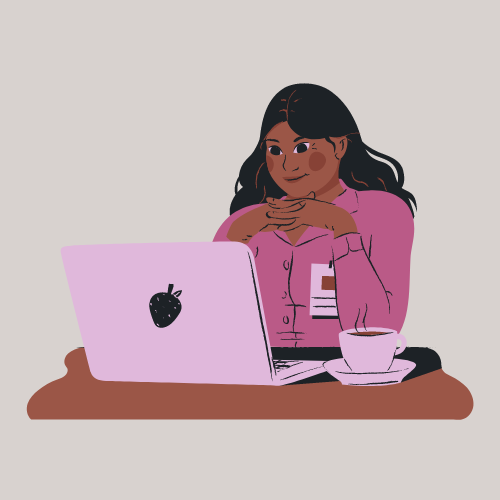
If you struggle with endometriosis, PMS (premenstrual syndrome) or simply struggle with your hormonal cycle you probably feel resigned. I have hope, especially since the rise of information about these topics but also with the rise of remote work since Covid. Many studies showed us that productivity is not linked to be physically present at the office.
For many women the generalization of remote work was such a relief, because:
- working in the comfort of our home is so much more bearable when you are in pain of affected with hormones side effects
- you don’t have to pretend to be fine when you are not
- you can adjust your work hours with your symptoms
- if you have an heavy flow you are not worried anymore about accidentally stain your trousers
- you can make adjustments during your period without feeling judged : use of heating pad, dress comfortably or work laid on your bed
Remote work seems to be a progress for Women’s Right to adapt their working day during their periods but we can go way further.
3. How can you cycle sync to unlock your full potential ?
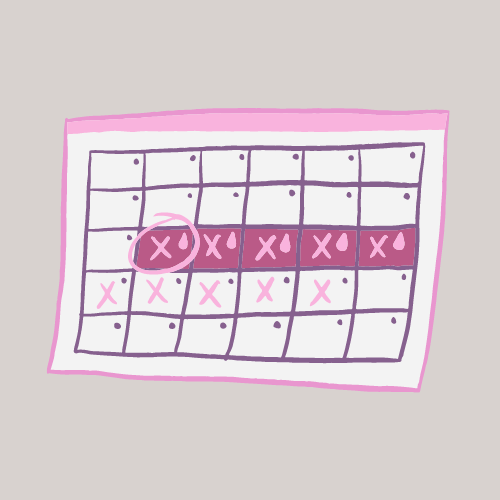
The menstrual cycle is composed of 4 phases: the follicular phase, the ovulation phase, the luteal phase and the periods. Each of these phases affect the women body and mind differently and as a result your “productivity” at work can be affected negatively or positively.
I learned we can make the most of our routines by aligning our habits with our hormonal phases instead of going through our menstrual cycle. Each our phases have advantages and disadvantages:
A. How to cycle sync during the Follicular Phase (7 to 10 days)
The follicular phase is the first stage of the menstrual cycle. During this time, estrogen levels gradually rise, stimulating the growth of a dominant follicle in the ovary. This hormonal increase may influence both the mind and body. Mentally, women may experience a surge in creativity, perception and social abilities. Physically, they may notice increased energy levels and endurance.
How can you use it at your advantage ?
- Take on challenging or innovative tasks that require creative problem-solving
- Start new projects
- Attend industry events, conferences or social gatherings
- Prepare and deliver important presentations or speeches
- Work closely with colleagues or team members on collaborative projects
B. How to cycle sync during The Ovulation Phase (3 to 4 days)
The ovulation phase is the second stage of the menstrual cycle. During this time, hormonal levels reach their peak, with estrogen, LH and FSH surging. These hormonal changes can influence both mental and physical well-being. Mentally, women may experience increased self-confidence, improved memory and a more extroverted personality. Physically, libido and fertility can fluctuate during this phase.
How can you use it at your advantage ?
- Schedule focused study sessions to tackle challenging subjects
- Express your opinions and ideas with confidence and clarity
- Deliver important speeches or presentations
- Attend industry events, conferences or social gatherings
- Make important decisions or take calculated risks
- Schedule job interviews
C. How to cycle sync during The Luteal Phase (12 to 14 days)
The luteal phase is the third phase of the menstrual cycle. During this time, progesterone levels rise to their peak while estrogen, LH and FSH levels decline. These hormonal changes have physical and mental effects. Physically, the uterine wall thickens in preparation for a potential pregnancy and an ovum is released. Mentally, women may notice increased tiredness, sensitivity and potential mood swings due to decreasing estrogen levels. These fluctuations can sometimes cause PMS-like symptoms or temporary low mood. Additionally, digestive issues may arise during this phase.
How can you use it at your advantage ?
- Listen to uplifting music that you enjoy. Music has been shown to increase serotonin levels
- Listen to your body and ensure you get enough sleep. Engage in relaxing activities such as meditation, yoga or taking warm baths. For instance, you could choose to dedicate your Sunday to self-care.
- Remember that the luteal phase is a natural part of your menstrual cycle. Be patient with yourself.
- Eat a balanced diet rich in nutrients to support your energy levels and mood
- Focus on superficial tasks, during the luteal phase, when energy levels may be low, it can be helpful to focus on less demanding
D. How to cycle sync during The Menstrual phase ( 3 to 7 days)
The menstrual phase, the final stage of the menstrual cycle, is characterized by the shedding of the upper layer of the endometrium, resulting in menstrual bleeding. During this time, the body experiences a significant decline in estrogen, FSH, progesterone and LH. Physically, during the menstrual phase, women might experience abdominal cramps, lower back pain, fatigue, bloating, breast tenderness, headaches and changes in appetite. Emotionally, women might feel mood swings, irritability, anxiety, depression or difficulty concentrating. These symptoms can vary from person to person and not everyone experiences all of them.
How can you use it at your advantage ?
- To support your well-being during this phase, prioritize rest, self-care, and light activities.
- Avoid demanding or strenuous tasks
- Focus on creating a calm and supportive environment for your body
- Eat a balanced diet rich in nutrients to support your energy levels and mood
Disclaimer
This article is for informational and lifestyle purposes only. It is not a substitute for professional medical advice, diagnosis or treatment. If you have concerns about your menstrual cycle, PMS, hormonal fluctuations or mental health, consult a qualified healthcare professional.
Here are some international resources that can help you:
- International Association for Suicide Prevention (IASP): https://www.iasp.info/
- Befrienders Worldwide: https://befrienders.org/ (This website connects you to various crisis support organizations around the world)
- World Health Organization (WHO) Mental Health Resources: https://www.who.int/health-topics/mental-health
For emergency situations, please refer to local emergency hotlines.
Depression is a treatable illness. With proper diagnosis and treatment, most people can recover and lead fulfilling lives.
Don’t hesitate to reach out for help if you need it.