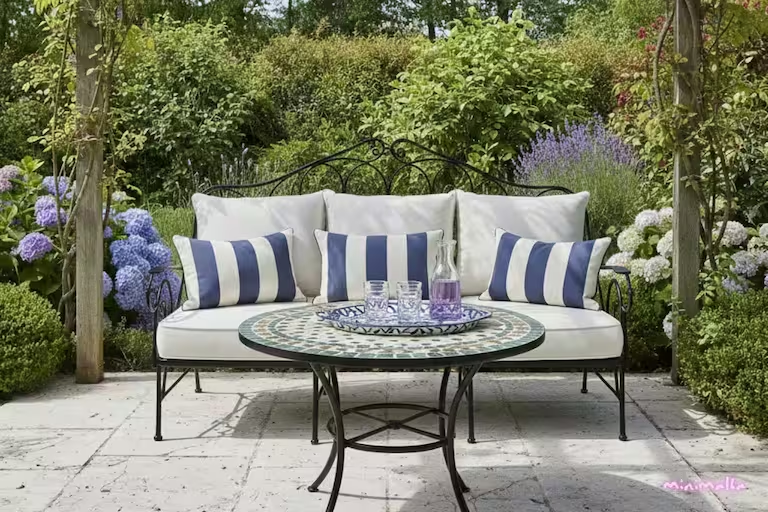
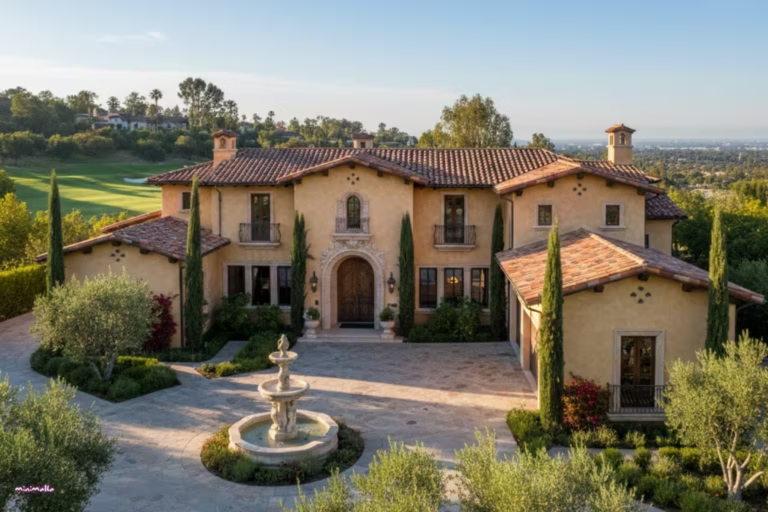
What is the Old Money Aesthetic ?
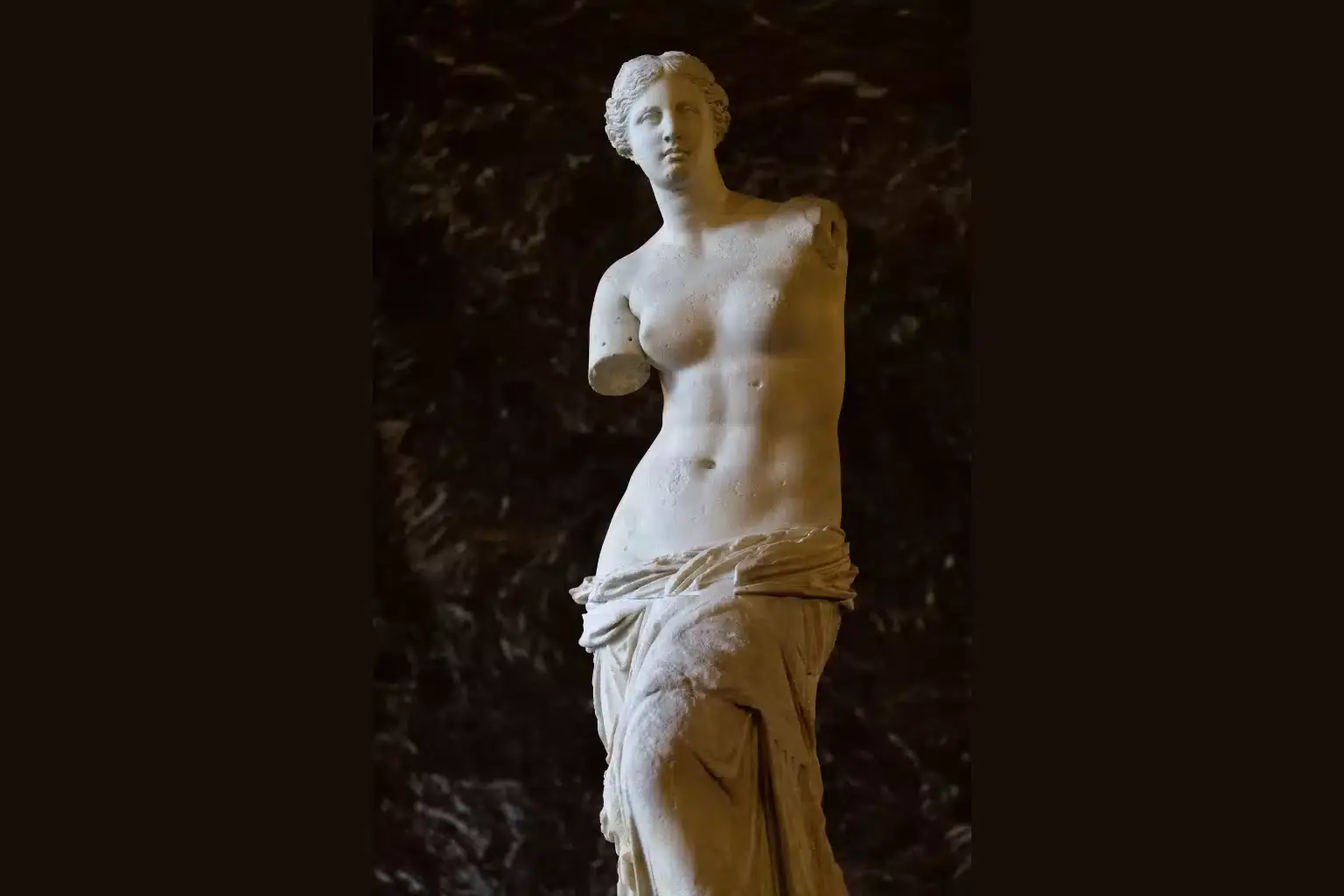
Hello Cool-Girls ! With so many home decor trends constantly emerging, it’s easy to feel overwhelmed. Is Japandi interior design still relevant ? What is the old money aesthetic and why is everyone talking about it ? As times goes on interior design industry ressembles a lot like the fashion industry. The problem lies in the fact that first we are in a economy where we can’t afford changing our furnitures every other week and secondly it is not sustainable, it is terribly destroying our first and true home the planet Earth.
That’s why my favourite interior design is “Old Money Aesthetic” because if you are careful you’ll notice this style doesn’t change that much through the decades. It is an elegant way to embrace the underconsumption core ! You probably seen on Tiktok that this aesthetic has gained renewed interest. However among the old money families it is a really steady choice of design when it comes to look for your furnitures.
So how do you recognize the Old Money aesthetic?
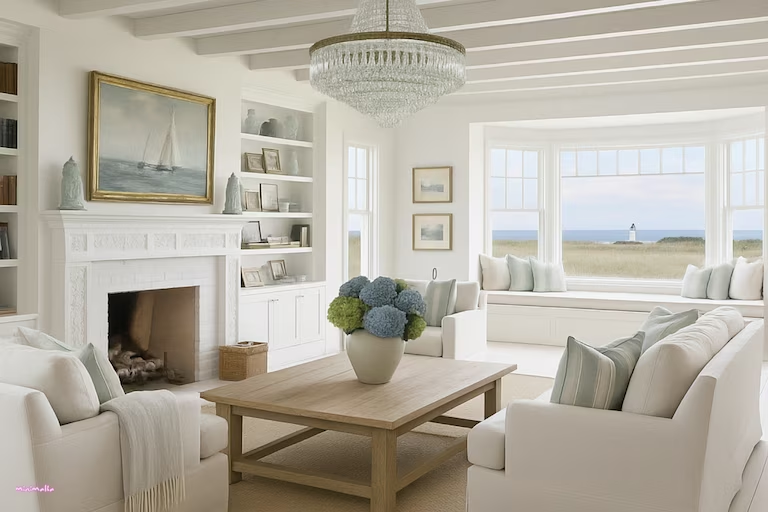
First of all when you discover different “Old Money” Interior you can notice these different common points:
- High quality woods such as: walnut wood, mango wood, oak wood, mahogany wood..
- High quality textiles such as: linen, eco-friendly cotton, silk, leather..
- Luxury materials such as: gold, silver, marble, cristal..
- Timeless colors such as: beige, taupe, white, brown, green..
- History related elements such as: inherited pieces, work of art, wall moldings..
1. Quality Woods
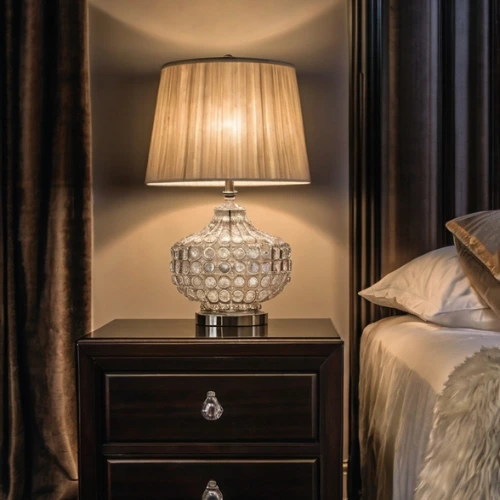
If you entered before in an Old Money House you probably noticed that wood is a core piece, you find it in furnitures, floorings or even on walls sometimes. Wood is a resilient material that’s why it is so much used.
We love darker wood because this is unconsciously linked to precious wood like : walnut wood, elm burl, oak wood, mahogany wood. To get the same effect and protect your wood you can use a tinted wood wax.
2. Quality textiles are essentials
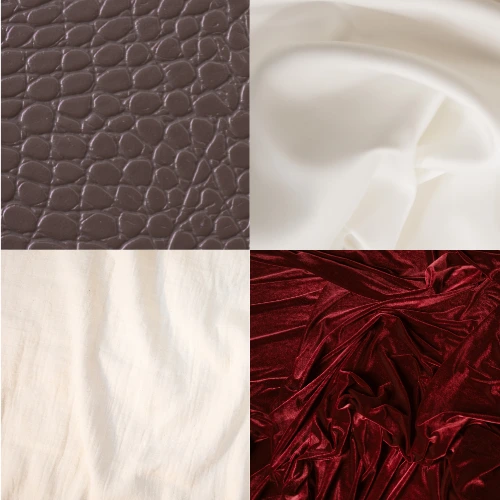
An “Old Money” interior design can be achieved by choosing high-quality textiles like: silk, linen, exotic leather, eco-friendly cotton.. You’ll find these textiles in curtains, upholstery and throw pillows.
The essence of “Old Money Style” is the experience we get out of it. When your guests will sit on your sofa, the quality of the textile will be evident just by touching it. Touch is a fundamental element when we talk about luxury.
3. Use luxury materials for an old money aesthetic
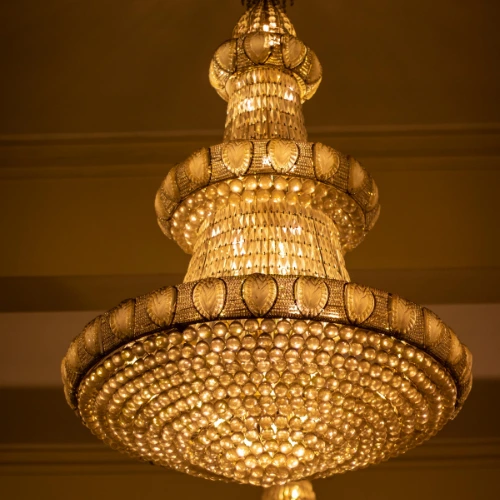
Gold, silver and marble all share a common characteristic: they’re expensive. Fortunately, nowadays you can find near-perfect replicas of these materials. You can find these materials used as ornaments, like on furniture handles or on a chandelier.
However, using marble can be tricky. A bad replica can look tacky and even real marble can be overused, like on entire floors. It’s best to use it sparingly, like on countertops.
4. Timeless colors choice
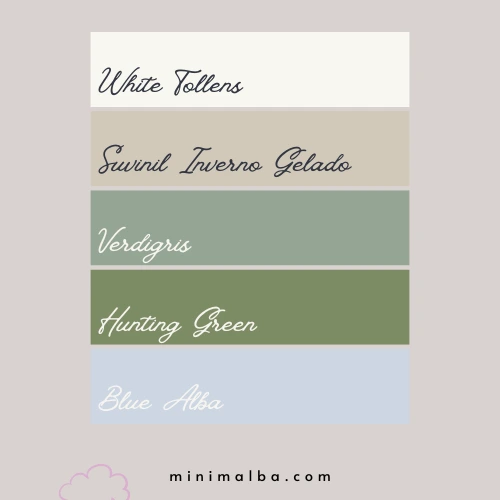
To help you out, I took a look at Pinterest for the most popular colors related to the Old Money aesthetic. Feel free to draw inspiration from them !
5. History related elements are the expression of old money aesthetic
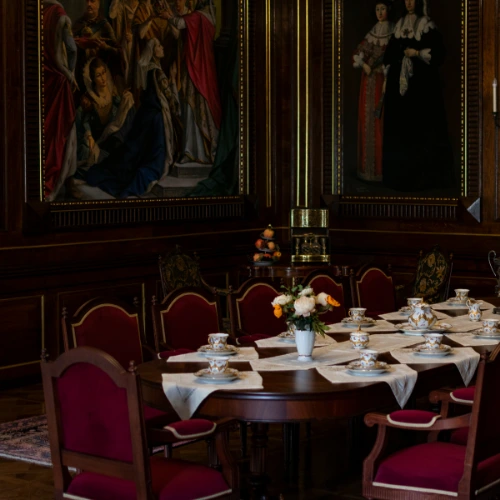
I believe the foundation of “Old Money” lies in its connection to nobility. It reflects the legacy of old families who have accumulated centuries of luxury and history, often with heirlooms passed down through generations.
Real estate wealth also plays a role in this history, as “Old Money” interiors are typically found in grand estates, Haussmannian apartments and castles.
It’s important to remember that achieving this style isn’t about replicating the scale of these grand spaces. Instead, focus on the core principles: sustainability and quality.
“Old Money” interior design values quality instead of quantity. We want elegant lasting interior furnitures that we won’t be bored of in 5 years. You’re going to tell me you can’t afford these types of furnitures but now it is much more affordable.
High quality is much more accessible and you can find statement pieces at bargain prices at flea markets or antique stores.
What’s more you won’t have to change them several times during your life, it is an investment. And if you’re ever looking for a little change at home you can still opt for small interior accessories. If you’re drawn to this aesthetic, I highly recommend exploring my latest guide on 8 essential details to embrace the “Old Money” style at home.