How to attract emotionally healthy relationships ?
Hello Cool-Girls ! You’ve probably heard it before: we are the sum of the people we surround ourselves with. I’m not talking about social background or status, but about how those around us influence our emotional state. Maybe you’ve learned this the hard way, especially if you’ve had toxic friendships. It’s easy to think a hurtful comment here and there doesn’t matter. But these small toxic remarks often signal deeper patterns that, over time, damage your mental health and chip away at your self-esteem. After negative experiences, it’s natural to withdraw and protect yourself. But isolation isn’t always the answer, it can be just as harmful. Remember: not everyone is toxic. There are wonderful, kind, emotionally healthy relationships. This post will help you break free from toxic cycles and attract emotionally healthy relationships.
1. Be the foundation of emotionally healthy relationships
There’s no secret here: emotionally healthy people are naturally drawn to other emotionally healthy people. And as much as we may have been in toxic relationships, we’ve also, at some point, been the toxic one in someone else’s story. That’s why taking a step back can be helpful, to reflect on the shadowy parts of ourselves that might lead us to repeat the same patterns.
Why do you keep attracting the same type of person ? Maybe you feel lonely and let people in too quickly, even those who don’t truly deserve that space. Maybe you tend to trust too fast instead of taking your time.
You can start this work on your own, through journaling or by reading personal development books. But sometimes, the patterns are more complex, shaped by past trauma and that’s when a little extra help can make all the difference. That’s why I always encourage seeking support from a mental health professional. Getting an outside perspective from someone trained and experienced can be incredibly grounding and insightful.
Honestly, I believe everyone should go to therapy, it shouldn’t be a taboo, but something normal and even essential. And sometimes, the truth is… we just weren’t lucky. We crossed paths with the wrong person and that hurts. It’s totally okay to feel disappointed. I encourage you to give yourself the time you need to process what happened, before opening your heart again to new people.
2. Date your friends
We’re often very intentional when it comes to romantic relationships. Before even meeting someone, we check if they meet our criteria, if there are any red flags. And on the first few dates, we’re focused, we try to really get to know the person, see if we share the same values, if we’re compatible. We do all this because ideally, we’re looking for a long-term partner and we know how much impact this person could have on our daily life.
But we also spend a lot of time with our friends, don’t we ? Some of them we’ve known since university, even since childhood. We often say our friendships last longer than our romantic relationships. So why aren’t we just as intentional about forming emotionally healthy relationships when it comes to new friends ?
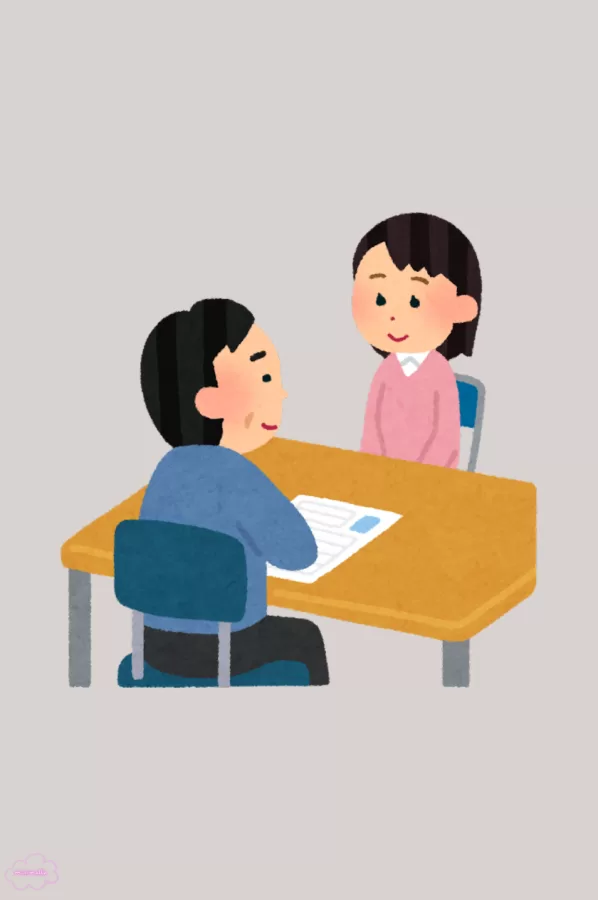
Many of us didn’t really take the time in the beginning stages of a friendship. And months or even years later, we realize that this friend subtly puts us down or is never truly there for us.
The signs were probably there, but we ignored them. Why ? Because no one ever really told us that we should be intentional when building new friendships.
It’s true: most advice about relationships focuses on the romantic side. But times have changed. These days, friendships are more important than ever people are getting married later and divorce rates are higher. For many, the companionship they need most comes from their friends, which is why it also helps to learn how to identify the 5 types of people to avoid for a happier life. So don’t be afraid to take your time before making space for someone new.
3. Don’t be scared to walk away
This is a rule that applies to both romantic and platonic relationships: the longer you stay in a toxic relationship, the greater the damage. That’s why your self-worth needs to matter more than your fear of being alone.
Because the truth is, no matter how many of the tips you follow, it doesn’t mean you’ll suddenly start attracting only emotionally healthy relationships. I often hear people being blamed for ending up in toxic relationships, we’re told we attract what we are. And I don’t agree with that.
We attract all kinds of people, healthy and unhealthy. What does make a difference is how long we allow the unhealthy ones to stay in our lives. That part is on us. It’s up to you to recognize the red flags… and walk away.
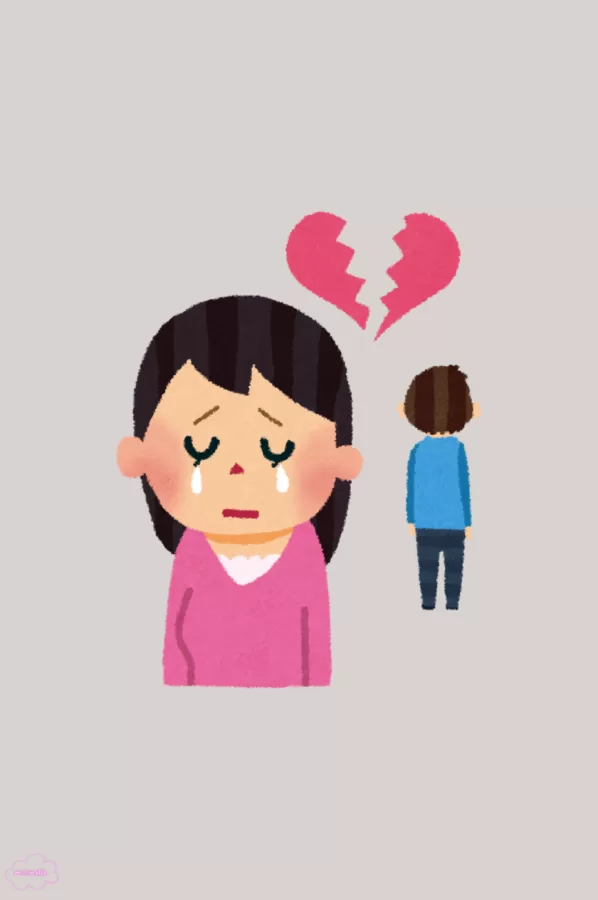
There’s often another dynamic at play in toxic relationships. People aren’t always upfront from the start, that would be too easy to spot ! More often, they wait until they’ve earned your trust, and then they start to test your boundaries to see what you’ll tolerate… until their true nature slowly starts to show.
I’m not saying you should become paranoid or constantly suspiciousjust stay alert. When something feels off, pay attention and communicate. Give them the benefit of the doubt and if nothing changes, prioritize yourself.
Most importantly, don’t tell yourself that just because you’ve known someone for X years, they’re incapable of changing for the worse. Many people struggle to leave these kinds of relationships because of a psychological phenomenon known as the “sunk cost fallacy”. You think, “I’ve invested so much time into this relationship, I can’t just walk away now.”
That’s completely human, you’ve shared memories, gone through hard times together. But at the end of the day, you have to ask yourself: “Am I actually happy in this relationship?”
4. Beware of dynamics that undermine emotionally healthy relationships
From experience, I’ve realized that certain relationship dynamics can act as “risk factors” when it comes to toxic relationships. And I do mean risk factors, it doesn’t necessarily mean these situations are red flags in themselves, but they can amplify an existing toxicity.
A. Love-Bombing friends
Love-bombing is something many people associate with romantic relationships, but it also exists in friendships. You may have already met someone who, from the very beginning, wanted to enter your life in a way that felt almost unnatural.
They might want to see you all the time right away, ask you tons of questions, even very personal ones. This kind of dynamic can create an artificial sense of trust before you’ve even had the time to really get to know the person. Sometimes, this friend might mirror your behavior and interests, always agree with you. You may even find yourself thinking, “What a coincidence, I’ve found someone who’s so much like me.” But it’s not really a coincidence !

I’m not saying it always comes from a place of malice. Sometimes, people who enter your life with that kind of intensity are simply deeply lonely and that’s tragic. Others have a strong need to be liked, so they put on a mask to gain your trust and affection. That doesn’t mean they’re bad people. But it may mean that they’re not truly compatible with you.
Ideally, trust in a friendship builds over time. You share moments, you open up gradually, at your own pace. The person shows, through their actions, that they are worthy of your trust. And often, you’ll find that your healthiest relationships don’t come from people who “resemble you” the most.
B. Large friend groups
This is probably one of the most sensitive topics: friend groups. Like I’ve said before, large friend groups aren’t inherently a problem ! The real issue lies in the presence of a toxic individual within the group dynamic.
If you went to high school, you may have seen just how powerful group influence can be, especially when the leader is toxic. These are the kinds of dynamics where things can become truly harmful, particularly when it comes to bullying.
The danger with groups is that when individuals haven’t developed a strong sense of self yet, which is often the case in high school, they tend to disappear into the group identity. And it only takes one person with a strong but toxic personality to influence and even corrupt the others.
If you’re reading this, maybe you’ve experienced that kind of dynamic yourself. I want to validate your experience, it’s incredibly hard to stand up against a group. I’d even say it’s nearly impossible. But not because you’re weak, it’s simply a matter of numbers. If you tried to speak up about the situation, you may have noticed that they dismissed your feelings, claiming you were exaggerating or being “too sensitive”. In reality, this is likely gaslighting. (Discover common examples of gaslighting and learn how to rebuild your intuition after such an experience here).
In these situations, the best thing you can do is remove yourself from the group first. Talk to a trusted adult and above all, don’t isolate yourself. Like I said, it’s a matter of numbers, so find one friend or a few, to help tip the balance in your favor.
What I want you to remember is this: friend groups aren’t inherently bad. In fact, they can be amazing when you meet people who truly align with you. But negative behaviors are often amplified within group dynamics, making it even more important to seek out emotionally healthy relationships.
What I want you to remember is this: friend groups aren’t inherently bad. In fact, they can be amazing when you meet people who truly align with you.
And if you’re reading this, it probably means you’ve come across toxic people before and you want to break that pattern. So before jumping into a big friend group, take your time. I promise it’s worth it. Pay attention to the individuals who make up the group and try not to romanticize it too much.